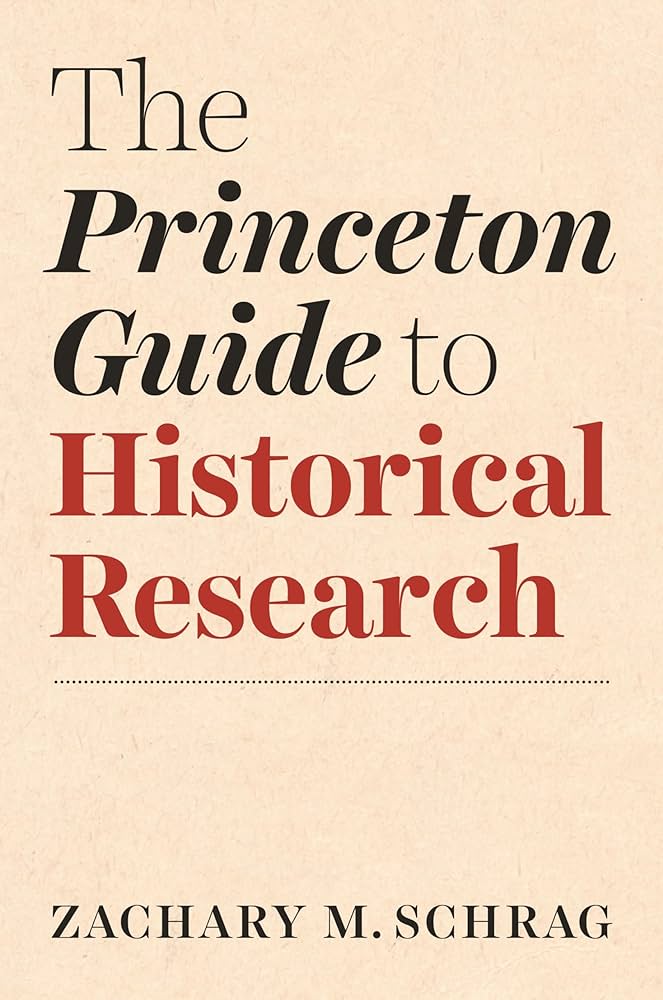
As someone interested in digital storytelling, I wanted to first probe more into the general definition of storytelling and the distinction between telling history and storytelling. This topic and question made me revisit one of the critical readings from my introductory history course: The Princeton Guide to Historical Research by Zachary Schrag. Schrag compares historians to alchemists who transform the “raw materials” of history into compelling narratives. He stresses that while storytelling is essential for historians, it is not necessarily intuitive or automatic. The key distinction, according to Schrag, is that storytelling requires more than interpretation—it demands “deduction and imagination” to translate archival information into a sound and engaging story. Good storytelling requires elements like character, conflict, plot, and theme rather than presenting straightforward historical facts. I emphasize storytelling first because in digital storytelling, digital tools and media are important, but understanding the essential elements of scholarship and storytelling is vital.
This brings us to the realm of digital history and digital storytelling. As we’ve discussed in previous classes, digital platforms offer opportunities for readers or users to interact with historical sources, stories, or data in ways that traditional texts do not. So one might assume that bringing these two together, digital tools and platforms and historic storytelling, is designed to naturally amplify engagement and interaction. In many ways, digital history projects also often espouse a non-linear approach to history. Consider spatial history or mapping projects, where users can decide where to explore first, where to stop, and how deeply to delve into specific areas. Many digital works and platforms also offer multiple pathways and possibilities, inviting users to interact with the material at their own pace. In many ways even without being a video game, digital history projects often make the user or reader “choose their own adventure”.
Although digital history projects already frequently incorporate non-linear approaches, digital storytelling can still produce a compelling narrative that transforms a project from a straightforward presentation of data to an immersive experience. The challenge, then, is to present in a way that amplifies the argument not obscure or polish it. As Dr. Otis highlighted in class, digital storytelling runs the risk of allowing the plot and scenery to eclipse the underlying historical argument and interpretation. It also minimizes the ability to welcome or invite critical analysis by users or viewers. Thinking of this week’s activity with Twine, how would one use this to produce a story while maintaining a clear argument? I’m not yet sure because I think combining argument and storytelling is a skill that requires a lot of intentional effort and time to perfect. I am looking forward to my first strides in developing this skill through the class digital history project.